
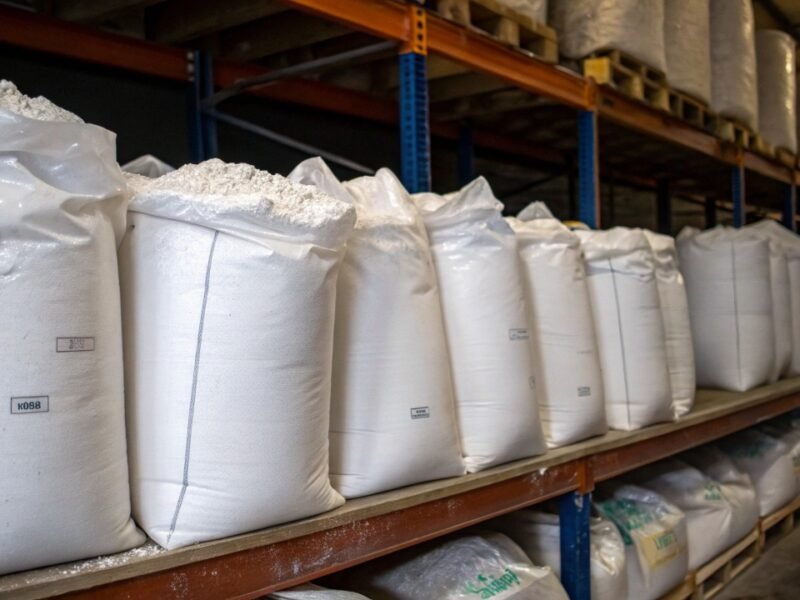
Antioxidant TMQ/TDQ is an important rubber anti-aging chemical used to improve the resistance of rubber compounds against heat, oxygen and long-term oxidative degradation. It is widely used in tyres, conveyor belts, hoses, cables, seals, gaskets, belts, molded rubber goods, latex products and other industrial applications where rubber must maintain its performance during processing and service.
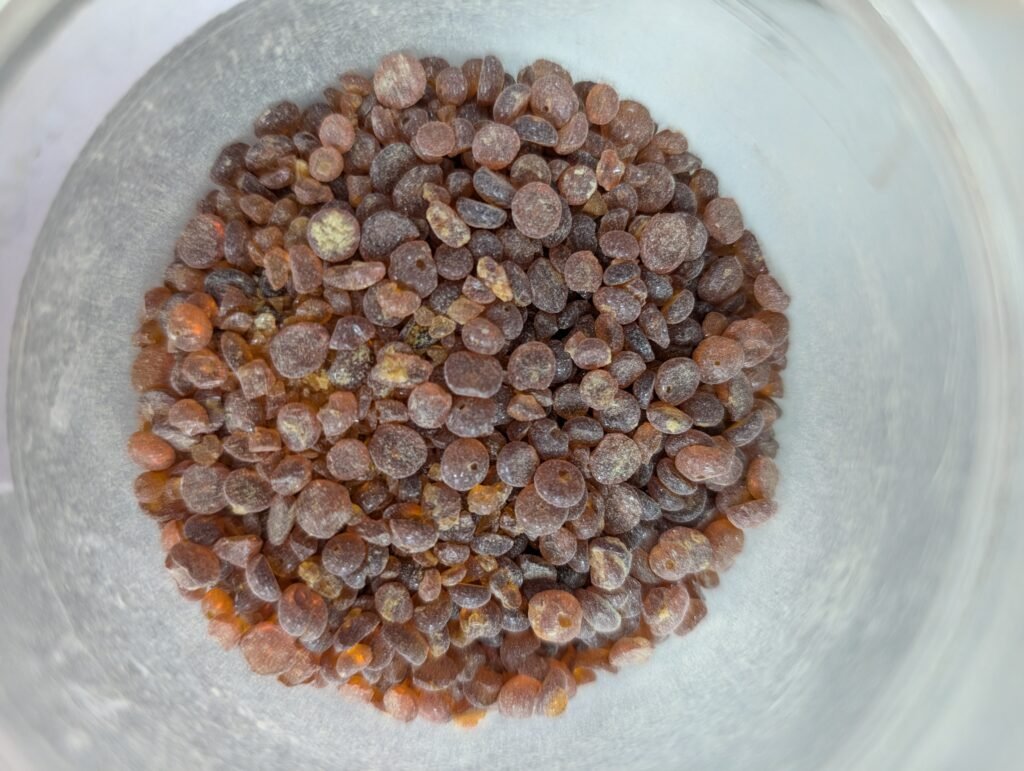
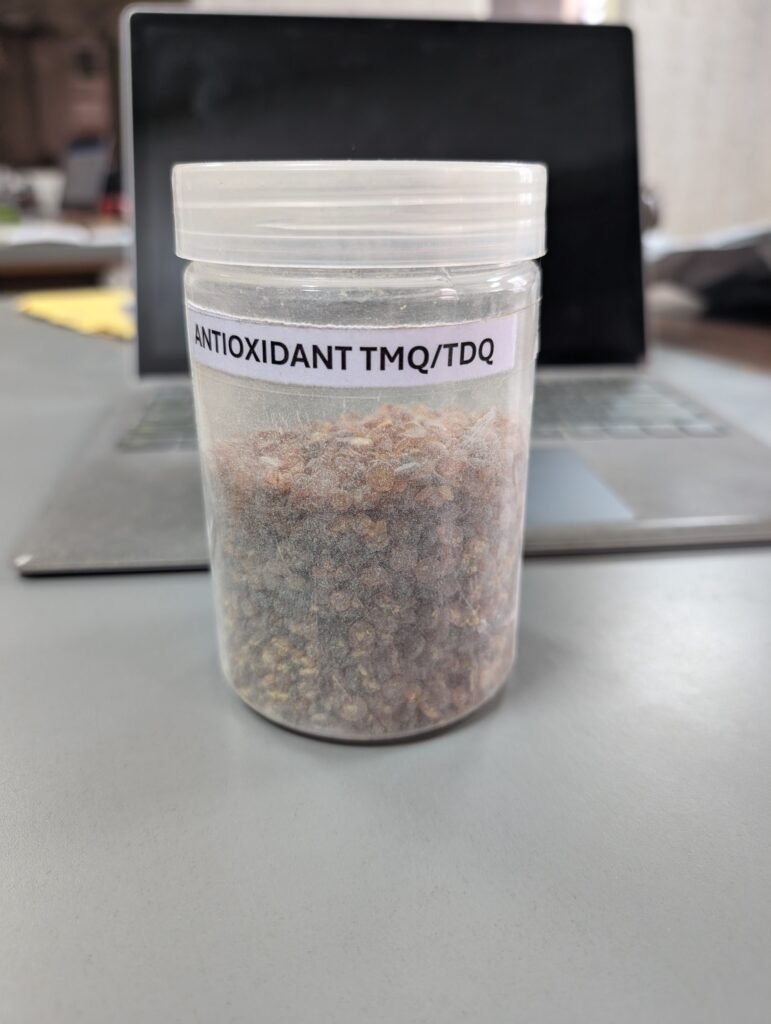
ARPL supplies Antioxidant TMQ/TDQ for rubber manufacturers looking for dependable antioxidant protection and consistent supply. ARPL’s product specification identifies the material as 2,2,4-trimethyl-1,2-dihydroquinoline, with a brown-granule appearance and a melting point of approximately 90–100°C.
What Is Antioxidant TMQ/TDQ?
TMQ is a quinoline-based rubber antioxidant/antidegradant used to protect rubber from deterioration caused primarily by heat and oxygen. It is particularly valuable in rubber compounds that experience elevated temperatures, repeated mechanical stress and long service periods.
TMQ is commonly described as polymerized 2,2,4-trimethyl-1,2-dihydroquinoline or polymerized 1,2-dihydro-2,2,4-trimethylquinoline. Commercial rubber antioxidant grades can have different oligomer distributions and specifications, so buyers should always evaluate the supplier’s current TDS and specification before formulation or procurement.
The product is commonly referred to in the rubber industry using names such as TMQ, TDQ, TQ or polymerized dihydroquinoline, depending on commercial grade and supplier terminology. For ARPL’s specific product, the company lists the product as Antioxidant TMQ/TDQ and specifies the chemical name as 2,2,4-trimethyl-1,2-dihydroquinoline.
Chemical Details of TMQ/TDQ
| Parameter | Details |
|---|---|
| Product Name | Antioxidant TMQ/TDQ |
| Chemical Name listed by ARPL | 2,2,4-Trimethyl-1,2-dihydroquinoline |
| Chemical Type | Quinoline-based rubber antioxidant |
| Function | Antioxidant / antidegradant |
| Appearance | Brown granules |
| Melting Point | Approximately 90–100°C |
| Main Protection | Heat and oxidative aging |
| Typical Rubber Types | NR and various synthetic rubber compounds |
| Brand | ARPL |
ARPL’s published product information gives the above product-specific details.
How Does TMQ/TDQ Work in Rubber?
Rubber can gradually deteriorate when exposed to oxygen, elevated temperature and repeated mechanical stress. This degradation can cause changes such as hardening, cracking, loss of elasticity and deterioration of physical properties.
TMQ/TDQ acts as an antioxidant within the rubber compound and helps slow oxidative degradation. This makes it particularly useful in products that operate continuously under heat or mechanical load.
Main protection mechanism
Rubber + Heat/Oxygen → Oxidative degradation → Loss of properties
Rubber + TMQ/TDQ → Improved resistance to oxidative aging → Better retention of performance
The actual level of protection depends on the rubber polymer, formulation, antioxidant combination, processing conditions and service environment.
Main Purpose of Antioxidant TMQ/TDQ
The primary purposes of using TMQ/TDQ include:
| Purpose | Benefit to Rubber |
|---|---|
| Heat-aging protection | Helps slow deterioration during prolonged heat exposure |
| Oxidation protection | Helps reduce oxidative degradation |
| Service-life support | Helps maintain rubber properties for longer periods |
| Processing protection | Supports stability during rubber processing |
| Dynamic application support | Helps rubber withstand demanding operating conditions |
| Compound durability | Helps retain useful physical properties |
| Long-term protection | Provides persistent antioxidant activity within suitable formulations |
TMQ is widely recognized for heat and oxygen-aging protection and is used in tyres, hoses, belts, shoes and other rubber products.
Complete Application List for Rubber Products
Antioxidant TMQ/TDQ has a broad application range across rubber manufacturing.
| Rubber Product / Application | Why TMQ/TDQ Is Used |
|---|---|
| Truck tyres | Heat and oxidative aging protection |
| Bus tyres | Long-term compound protection |
| Passenger car tyres | Resistance to thermal and oxidative degradation |
| OTR tyres | Protection under demanding operating conditions |
| Two-wheeler tyres | Aging and durability support |
| Motorcycle tyres | Protection against long-term degradation |
| Bicycle tyres and tubes | Antioxidant protection |
| Tyre retreading | Helps protect rubber during service |
| Tyre repair materials | Aging protection |
| Conveyor belts | Protection during continuous operation |
| V-belts | Heat and oxidative aging resistance |
| Fan belts | Long-term rubber protection |
| Transmission belts | Durability under mechanical operation |
| Rubber hoses | Heat and oxygen-aging protection |
| Automotive hoses | Protection under engine-compartment conditions |
| Rubber cables | Thermal and oxidative stability |
| Oil seals | Aging resistance |
| Rubber gaskets | Long-term performance support |
| Rubber profiles | Protection against degradation |
| Molded rubber products | Improved aging resistance |
| Extruded rubber products | Protection during service |
| Rubber sheets | Long-term aging protection |
| Latex foam | Antioxidant protection where suitable |
| Rice dehusking rollers | Protection under mechanical and thermal stress |
| Rubberized fabrics | Aging protection |
| Industrial rubber goods | General anti-aging protection |
TMQ is documented for applications including tyres, conveyor belts, hoses, cables, seals, profiles and molded/extruded rubber goods.
Industry-Wise Applications of TMQ/TDQ
1. Tyre Manufacturing Industry
Tyre manufacturing is one of the most important application areas for quinoline antioxidants.
TMQ can be incorporated into suitable tyre compounds to provide protection against heat and oxidative aging generated during manufacturing and service.
Applications include:
- Truck and bus tyres
- Passenger car tyres
- OTR tyres
- Motorcycle tyres
- Two- and three-wheeler tyres
- Bicycle tyres
- Tyre treads
- Sidewalls
- Carcass compounds
- Inner components
- Retread compounds
- Tyre repair materials
TMQ is commonly used in tyre compounds because tyres experience heat generation, oxygen exposure and repeated mechanical stress during operation.
2. Conveyor Belt Industry
Conveyor belts may operate continuously under mechanical load and elevated temperatures.
TMQ/TDQ can help provide:
- Heat-aging protection
- Oxidative degradation resistance
- Long-term compound stability
- Better retention of rubber properties
This makes antioxidant selection important for heavy-duty conveyor belt formulations.
3. Rubber Hose Industry
Rubber hoses can experience heat, oxygen, pressure, flexing and prolonged service conditions.
TMQ/TDQ can be considered in suitable hose formulations requiring:
- Thermal aging resistance
- Oxidative protection
- Long-term durability
- Property retention
Applications include automotive and industrial hoses.
4. Belt Manufacturing
TMQ/TDQ is used in various belt formulations, including:
- V-belts
- Fan belts
- Transmission belts
- Drive belts
- Industrial belts
The antioxidant helps protect rubber compounds against long-term oxidative and thermal deterioration.
5. Cable and Wire Industry
Certain rubber cable and sheathing compounds require protection against thermal and oxidative degradation.
TMQ may be incorporated where compatible with the formulation and where its color characteristics are acceptable.
6. Seals and Gaskets
Oil seals, rubber seals and gaskets can remain in service for extended periods and may encounter heat, oxygen and mechanical stress.
TMQ/TDQ can help support:
- Aging resistance
- Thermal stability
- Property retention
- Long-term service performance
7. Molded and Extruded Rubber Products
TMQ/TDQ can be used in suitable molded and extruded rubber formulations for industrial components, profiles, sheets and other technical rubber goods.
8. Latex Products
TMQ can also be used in selected latex formulations, including latex foam, when its performance and color characteristics meet the product requirements.
Published application data lists latex foam among TMQ/TDQ application areas.
TMQ/TDQ and Different Rubber Types
| Rubber Type | Potential Application |
|---|---|
| NR – Natural Rubber | Tyres, belts, hoses, industrial goods |
| SBR – Styrene Butadiene Rubber | Tyres, footwear, belts and molded goods |
| BR – Polybutadiene Rubber | Tyres and dynamic rubber compounds |
| NBR – Nitrile Rubber | Hoses, seals, gaskets and industrial goods |
| NR/SBR Blends | Tyres, belts and general rubber products |
| NR/BR Blends | Tyre and dynamic applications |
Actual compatibility and performance should be established through formulation trials because antioxidant performance depends on the complete compound rather than the antioxidant alone.
Key Benefits of Antioxidant TMQ/TDQ
1. Heat-Aging Protection
TMQ is particularly valued for protecting rubber compounds against degradation associated with prolonged heat exposure.
2. Oxidative Aging Resistance
It helps slow the deterioration of rubber caused by oxygen and oxidative reactions.
3. Long-Term Protection
Its polymeric/oligomeric nature contributes to relatively low volatility and persistence in rubber compounds.
4. Suitable for Heavy-Duty Rubber Products
It is widely used in products such as tyres, conveyor belts, hoses and industrial rubber goods where durability is important.
5. Broad Application Range
One of the major advantages of TMQ is its suitability for many rubber-product categories.
6. Good Formulation Compatibility
TMQ can be incorporated into many NR and synthetic-rubber formulations, subject to compatibility testing and formulation requirements.
7. Cost-Effective Aging Protection
For many industrial rubber formulations, TMQ provides a practical way to improve resistance to thermal and oxidative aging without requiring a highly specialized antioxidant system.
Advantages of TMQ/TDQ
| Advantage | Importance |
|---|---|
| Excellent heat-aging protection | Important for high-temperature rubber applications |
| Good oxygen-aging resistance | Helps slow oxidative degradation |
| Broad rubber application | Suitable for many industrial products |
| Low volatility | Supports persistence in the compound |
| Good processing stability | Useful during rubber processing |
| Long-term protection | Supports service durability |
| Suitable for heavy-duty applications | Valuable for tyres, belts and hoses |
| Can work with antioxidant systems | Can be formulated with other antidegradants |
Limitations and Disadvantages
TMQ is highly useful, but it is not the best antioxidant for every rubber application.
1. Color
TMQ is generally associated with brown/dark coloration and may be unsuitable where a light or clean-colored finished product is required. Commercial descriptions also note that TMQ can be staining/discoloring.
2. Not a Universal Antiozonant
TMQ primarily provides antioxidant/anti-aging protection. Applications requiring strong protection against ozone cracking may require a suitable antiozonant system, often involving p-phenylenediamine antioxidants such as 6PPD where appropriate.
3. Formulation Dependence
The ideal dosage depends on the rubber polymer, application, other antioxidants, accelerator system and operating environment.
4. Appearance Requirements
For white, light-colored or color-sensitive rubber products, another antioxidant may be more appropriate.
5. Supplier Grade Differences
Commercial TMQ/TDQ products can differ in oligomer distribution, softening/melting characteristics, physical form and other quality parameters. Therefore, buyers should compare the supplier’s current specification and TDS rather than purchasing solely on the generic product name.
TMQ/TDQ vs Other Rubber Antioxidants
| Antioxidant | Main Protection | Typical Strength |
|---|---|---|
| TMQ/TDQ | Heat and oxidative aging | Excellent for general rubber anti-aging |
| 6PPD | Ozone, flex fatigue and oxidation | Strong antiozonant performance |
| MBI/MB | Secondary antioxidant protection | Useful as a synergist |
| KY-616/Wingstay L | Thermal stabilization | Useful in suitable polymer/rubber systems |
| Other phenolic antioxidants | Thermal/oxidative stabilization | Often selected for specific color and polymer requirements |
The best antioxidant system depends on the rubber product, color requirements, ozone exposure, operating temperature and desired service life.
For example, TMQ and 6PPD can serve different roles: TMQ is strongly associated with heat/oxidative aging protection, while 6PPD is particularly important where ozone and dynamic flex-fatigue protection are required.
TMQ/TDQ vs 6PPD
| Parameter | TMQ/TDQ | 6PPD |
|---|---|---|
| Primary role | Antioxidant / anti-aging | Antioxidant / antiozonant |
| Heat aging | Excellent | Excellent |
| Oxidative protection | Strong | Strong |
| Ozone protection | Limited compared with dedicated PPD systems | Excellent |
| Dynamic flex protection | Good | Excellent |
| Color | Dark/brown | Dark/staining |
| Major application | Tyres and industrial rubber | Tyres and ozone-exposed rubber |
| Typical formulation role | General anti-aging | Ozone/flex protection |
Typical Dosage of TMQ/TDQ
There is no single universal dosage for every rubber compound.
Published commercial application data commonly places TMQ in ranges around 0.5–3.0 phr, depending on the rubber product and formulation. Some application-specific examples use lower or higher levels.
| Application | Example Published Range |
|---|---|
| General rubber compounds | 0.5–3.0 phr |
| Tyre compounds | Often around 0.5–1.0 phr in published examples |
| Conveyor belt compounds | Around 1.0–1.5 phr in published examples |
| Latex foam | Around 0.3–0.5 phr in some published formulations |
| Rice dehusking rollers | Around 1.5 phr in published examples |
These are reference ranges, not universal formulation recommendations. The final dosage should be established using the actual polymer, compound recipe, processing conditions, required aging performance and supplier TDS.
Factors That Determine TMQ/TDQ Dosage
Before selecting the dosage, rubber manufacturers should consider:
- Rubber polymer
- Product type
- Operating temperature
- Oxygen exposure
- Mechanical stress
- Dynamic flexing
- Expected service life
- Other antioxidants
- Antiozonants
- Sulfur level
- Accelerator system
- Processing temperature
- Required color
- Regulatory/customer requirements
Laboratory aging tests should be used to confirm the optimum level.
Processing Considerations
TMQ/TDQ should be properly dispersed throughout the rubber compound to achieve consistent protection.
Important processing factors include:
Mixing
Uniform dispersion is important because uneven antioxidant distribution can result in inconsistent aging protection.
Temperature
The mixing process should be controlled according to the complete compound formulation and equipment conditions.
Addition Sequence
The optimum addition sequence depends on the formulation and manufacturing process. Compound manufacturers should follow their established processing procedure and supplier recommendations.
Dispersion
Poor dispersion can reduce the effective performance of the antioxidant.
Storage and Handling
TMQ products should be stored according to the supplier’s current SDS/TDS requirements.
General good practices include:
- Keep containers properly closed.
- Store in a cool, dry and well-ventilated area.
- Protect the material from excessive heat.
- Avoid unnecessary exposure to moisture.
- Keep away from incompatible materials.
- Maintain good housekeeping around powder/granule handling areas.
- Follow the supplier’s recommended storage conditions and shelf-life guidance.
One TMQ SDS identifies potential combustible-dust hazards and notes that the material may irritate the eyes and skin, reinforcing the importance of appropriate industrial handling controls.
Safety Precautions
For industrial handling of TMQ/TDQ:
- Read the current SDS before use.
- Use suitable gloves and protective clothing.
- Avoid unnecessary eye and skin contact.
- Use appropriate eye protection.
- Avoid breathing dust generated during handling.
- Maintain suitable ventilation.
- Follow workplace chemical-handling procedures.
- Keep the product away from ignition sources where combustible dust may be generated.
- Clean spills using appropriate industrial procedures.
- Do not eat, drink or smoke while handling industrial chemicals.
- Dispose of waste according to applicable local requirements.
Important: The exact hazard classification and required PPE can vary by grade and supplier, so ARPL customers should obtain the current product-specific SDS before industrial use.
Quality Parameters Buyers Should Check
When purchasing TMQ/TDQ, manufacturers should evaluate more than price.
| Quality Parameter | Why It Matters |
|---|---|
| Appearance | Helps verify product consistency |
| Softening/melting point | Important for processing behavior |
| Ash content | Indicates inorganic residue |
| Heating loss | Indicates volatile components |
| Specific gravity | Useful for formulation consistency |
| Oligomer/polymer profile | Can influence performance |
| Purity/active content | Important for predictable formulation |
| Physical form | Affects handling and dispersion |
| Packaging | Protects material during storage and transport |
| Batch consistency | Important for repeatable production |
| TDS | Confirms technical specification |
| SDS | Provides safety and handling information |
| COA | Confirms batch-specific quality |
Industries That Can Use TMQ/TDQ
| Industry | Example Products |
|---|---|
| Tyre Industry | Truck, bus, passenger, OTR and two-wheeler tyres |
| Automotive Industry | Hoses, seals, belts and rubber components |
| Conveyor Industry | Heavy-duty conveyor belts |
| Industrial Rubber | Molded and extruded components |
| Hose Industry | Industrial and automotive hoses |
| Belt Industry | V-belts, fan belts and transmission belts |
| Electrical Industry | Rubber cables and sheathing |
| Footwear Industry | Rubber soles and heels |
| Retreading Industry | Retreads and repair materials |
| Latex Industry | Latex foam and selected latex products |
| Engineering Rubber | Rollers, seals, pads and technical goods |
Product Selection: When Should You Consider TMQ/TDQ?
TMQ/TDQ can be a strong candidate when your rubber compound requires:
✓ Heat-aging resistance
✓ Oxidative aging protection
✓ Long-term rubber durability
✓ Protection in heavy-duty applications
✓ Antioxidant performance in dark rubber compounds
✓ A widely used industrial rubber antioxidant
It may be less suitable when the finished product requires very light coloration or minimal staining.
TMQ/TDQ in Tyre Manufacturing
Tyres are exposed to multiple degradation factors simultaneously:
- Heat
- Oxygen
- Repeated flexing
- Mechanical stress
- Environmental exposure
- Long operating periods
Consequently, tyre compounds often use a combination of antidegradants rather than relying on one antioxidant alone.
TMQ can contribute particularly to thermal and oxidative aging protection, while other antidegradants may be selected to address ozone and flex-fatigue requirements.
TMQ/TDQ in Conveyor Belts
Conveyor belts are often expected to operate continuously for long periods.
The antioxidant system must therefore support resistance to:
- Heat
- Oxygen
- Mechanical stress
- Repeated flexing
- Long operating cycles
TMQ is commonly used in conveyor belt compounds requiring heat-aging protection.
TMQ/TDQ in Hoses
Hoses can experience internal and external heat, pressure, flexing and aging.
TMQ/TDQ can be selected as part of an antioxidant system where the formulation requires:
- Heat-aging resistance
- Oxidative stability
- Long-term rubber property retention
TMQ/TDQ in Seals and Gaskets
Seals and gaskets may remain compressed and exposed to heat for long periods.
Antioxidant protection can help reduce deterioration that could otherwise affect:
- Flexibility
- Elasticity
- Compression performance
- Mechanical integrity
- Service life
TMQ/TDQ in Belts
V-belts, fan belts and transmission belts require rubber compounds capable of handling repeated movement, friction and heat.
TMQ/TDQ can support the antioxidant package used to protect the rubber against thermal and oxidative aging.
TMQ/TDQ in Molded and Extruded Rubber Goods
A wide variety of industrial rubber components are produced through molding or extrusion.
Examples include:
- Rubber profiles
- Bushes
- Pads
- Seals
- Gaskets
- Rollers
- Mountings
- Industrial components
- Rubber sheets
- Technical rubber parts
The appropriate antioxidant level depends on the specific compound and service conditions.
Current Market and Formulation Trends
The rubber industry is increasingly focused on longer service life, improved durability, lower maintenance and more consistent compound performance. Antioxidants remain important because thermal and oxidative aging can directly influence the useful life of rubber products.
Key formulation trends include:
1. Longer Service Life
Manufacturers increasingly seek rubber formulations that maintain properties over longer operating periods.
2. Better Heat Resistance
High-speed tyres, industrial equipment and automotive components can generate substantial heat, increasing the importance of thermal-aging protection.
3. Optimized Antioxidant Packages
Instead of depending on a single chemical, formulators increasingly optimize combinations of antioxidants and antiozonants according to the application’s specific degradation mechanisms.
4. Better Processing Control
Manufacturers are paying greater attention to dispersion, batch consistency and processing behavior to improve finished-product consistency.
5. Application-Specific Formulation
Modern rubber formulation increasingly focuses on matching the antioxidant system to the actual service environment rather than using one fixed formula for every product.
6. Regulatory and Sustainability Considerations
Rubber manufacturers are also paying increasing attention to chemical compliance, customer specifications, environmental requirements and responsible chemical handling.
Common Questions About Antioxidant TMQ/TDQ
What is TMQ antioxidant?
TMQ is a quinoline-based rubber antioxidant used primarily to improve resistance to heat and oxidative aging in rubber compounds.
What is the chemical name of TMQ?
ARPL lists its Antioxidant TMQ/TDQ product chemical name as 2,2,4-trimethyl-1,2-dihydroquinoline. Commercial TMQ is also commonly described as polymerized 2,2,4-trimethyl-1,2-dihydroquinoline.
What is the main use of TMQ?
Its principal role is protecting rubber against heat and oxidative aging, particularly in tyres and industrial rubber products.
Is TMQ used in tyres?
Yes. TMQ is widely used in tyre compounds, including applications involving passenger, truck, bus and other tyre categories.
Is TMQ used in conveyor belts?
Yes. Conveyor belts are a major industrial application where heat-aging protection is important.
Can TMQ be used in hoses?
Yes. TMQ is used in suitable rubber hose formulations requiring protection against thermal and oxidative aging.
Is TMQ the same as 6PPD?
No. They are different rubber antidegradants with different formulation roles. TMQ is strongly associated with heat and oxidative aging protection, while 6PPD is particularly important for ozone and dynamic flex-fatigue protection.
Is TMQ suitable for light-colored rubber?
Generally, TMQ’s brown/dark coloration makes it more suitable for dark rubber compounds than applications where a light appearance is essential.
What is the typical dosage of TMQ?
Published commercial information gives broad ranges such as 0.5–3.0 phr, but the appropriate dosage must be determined from the specific formulation and supplier specification.
Can TMQ be combined with other antioxidants?
Yes. Rubber formulations commonly use antioxidant/antidegradant combinations designed around the specific requirements of the product. The exact combination should be validated through formulation and aging tests.
How should TMQ be stored?
Follow the current supplier SDS/TDS. In general, it should be kept properly closed in a cool, dry, ventilated area and handled with appropriate controls against dust and chemical exposure.
Why Choose ARPL for Antioxidant TMQ/TDQ?
ARPL supplies Antioxidant TMQ/TDQ for rubber manufacturers and industrial users seeking dependable antioxidant protection and consistent material supply. The company’s listed product specification identifies 2,2,4-trimethyl-1,2-dihydroquinoline, brown granules and a 90–100°C melting-point range.
For buyers, selecting a supplier should involve more than price. Consider:
- Product specification
- Batch consistency
- TDS availability
- SDS availability
- COA and quality documentation
- Packaging
- Supply capacity
- Application suitability
- Technical support
- Delivery requirements
- Long-term supply reliability
For bulk requirements, rubber manufacturing projects and industrial procurement, contact ARPL to discuss your TMQ/TDQ requirements and applicable product specifications.
Contact ARPL / Antioxidant TMQ/TDQ Product
Final Takeaway
Antioxidant TMQ/TDQ is a versatile rubber anti-aging chemical primarily selected for heat and oxidative protection. Its extensive application range covers tyres, retreading materials, conveyor belts, V-belts, fan belts, transmission belts, hoses, cables, seals, gaskets, molded and extruded rubber goods, latex foam and other technical rubber products.
The right TMQ/TDQ grade and dosage should always be selected according to the rubber polymer, product application, operating conditions, required aging performance, color requirements and complete formulation rather than using a universal dosage.
Related ARPL Resource
ARPL also has a dedicated technical article covering the benefits, properties, applications and formulation considerations of rubber antioxidant TMQ/TDQ.
Rubber Antioxidant TMQ/TDQ: Benefits, Uses and Properties
Useful Facts About Antioxidant TMQ/TDQ
If you are a rubber manufacturer, tyre producer, compounder, procurement professional, distributor, exporter or technical buyer, these facts can help you understand where TMQ/TDQ fits and what to check before buying.
1. TMQ is not simply a single small molecule
Commercial TMQ is generally a polymerized/oligomeric form of 2,2,4-trimethyl-1,2-dihydroquinoline rather than a single pure monomer. Commercial material can contain different oligomer distributions, which means two TMQ products carrying the same generic name may not perform identically.
Buyer takeaway: Always compare the supplier’s TDS, COA, softening point, ash, heating loss and grade specification, not just the name “TMQ.”
2. TMQ is especially valuable when heat is the problem
One of TMQ’s strongest roles is protecting rubber against thermal and oxidative aging. This is why it is widely considered for products that experience continuous heat during operation.
Useful for:
- Tyres
- Conveyor belts
- Hoses
- Belts
- Seals
- Industrial rubber goods
- High-temperature rubber components
3. TMQ can stay in the rubber for a long time
Its relatively high molecular weight and oligomeric nature contribute to slow migration and low volatility, supporting longer-lasting antioxidant protection.
Why buyers care: A chemical that remains effective within the rubber matrix can be valuable for products expected to operate for long periods.
4. TMQ and 6PPD are not interchangeable
This is one of the most important facts for buyers.
TMQ → mainly heat/oxidative aging protection
6PPD → particularly strong ozone and dynamic-flex protection
TMQ has limited protection against flex cracking and is not considered an effective dedicated antiozonant, which is why tyre formulations may use TMQ together with 6PPD or other antidegradants.
Buyer takeaway: Don’t select an antioxidant simply because it is called an “antioxidant.” Match the chemical to the actual degradation problem.
5. TMQ can be useful in both natural and synthetic rubber
TMQ is used across several elastomer systems, including NR, SBR, BR, NBR and selected EPDM/peroxide-cured applications.
That gives buyers considerably more flexibility when sourcing one antioxidant for multiple rubber-product categories.
6. It is particularly relevant to black rubber products
TMQ can cause brownish discoloration/staining, making it more suitable for many dark or black rubber compounds than applications where a bright white or very light color is essential.
Buyer takeaway: Before ordering, tell the supplier whether your finished product is black, dark, colored or light-colored.
7. A cheaper antioxidant is not automatically the better buy
For procurement teams, the real comparison should be:
Price per kg + dosage + performance + consistency + rejected batches + service life
rather than simply:
Lowest price per kg
A slightly more expensive grade that performs consistently at the required dosage may provide a better overall formulation cost.
8. Physical form matters more than many buyers realize
TMQ can be supplied in different physical forms such as flakes, granules, powder or low-dust/predispersed forms, depending on grade and supplier.
Different forms can affect:
- Weighing
- Dust generation
- Dispersion
- Automated dosing
- Worker handling
- Mixing efficiency
Best practice: Choose the form according to your actual mixing and dosing equipment.
9. TMQ is not only a tyre chemical
Tyres are a major application, but TMQ can also be used in:
Conveyor belts → Hoses → V-belts → Fan belts → Transmission belts → Seals → Gaskets → Cables → Molded rubber goods → Extruded rubber goods → Latex products
This makes TMQ relevant to both automotive and non-automotive rubber manufacturers.
10. Conveyor-belt manufacturers have a particularly strong reason to consider TMQ
Conveyor belts can experience continuous mechanical operation and elevated temperatures. TMQ’s heat-aging protection makes it relevant to formulations designed for long-running industrial service.
For belt buyers: Don’t evaluate TMQ only on initial compound properties. Evaluate hot-air aging, hardness change, tensile retention and elongation retention after aging.
11. NBR is another important application area
TMQ is specifically used for protection against thermal deterioration in NBR (nitrile rubber) and is also reported for high-temperature applications.
This can make it relevant to:
- Oil-resistant hoses
- Seals
- Gaskets
- Industrial components
- Heated rubber equipment
12. TMQ can help protect against metal-catalyzed oxidation
Some technical data specifically notes that TMQ can inhibit oxidation associated with metals such as copper and manganese.
Why this matters: Certain rubber products contain or operate around metal components, so the antioxidant package may need to consider metal-related oxidation as well as ordinary thermal aging.
13. Don’t judge a TMQ grade by appearance alone
Brown, amber or granular appearance can be normal for commercial TMQ grades. However, appearance alone cannot confirm quality or performance. Commercial specifications can differ in softening point, ash, heating loss and other parameters.
For serious procurement: Ask for a COA for the actual batch.
14. The same TMQ dosage will not work for every product
There is no universal “correct” dosage.
The appropriate level depends on:
- Polymer
- Carbon black/filler system
- Operating temperature
- Required aging resistance
- Other antioxidants
- Antiozonants
- Sulfur/accelerator system
- Product thickness
- Service environment
- Target cost
Published commercial guidance itself shows different application ranges for tyres, belts, hoses and other products.
Buyer takeaway: Never copy another manufacturer’s dosage blindly.
15. TMQ can be part of an antioxidant system rather than the entire system
A sophisticated rubber formulation may use different chemicals for different degradation mechanisms.
For example:
TMQ → thermal/oxidative aging
6PPD → ozone/dynamic protection
Wax → physical ozone barrier
The exact combination must be validated for the formulation and application.
16. The best TMQ supplier should provide more than a price quote
For industrial buyers, a useful supplier should be able to provide:
| Buyer Requirement | Why It Matters |
|---|---|
| TDS | Understand technical specifications |
| SDS | Safe handling and hazard information |
| COA | Verify individual batch quality |
| Consistent grade | Maintain formulation consistency |
| Packaging details | Plan storage and handling |
| Sample | Conduct laboratory trials |
| Bulk availability | Avoid production interruptions |
| Technical information | Select appropriate grade |
| Delivery capability | Maintain inventory planning |
ARPL can position Antioxidant TMQ/TDQ around these practical buyer requirements rather than simply selling it as a commodity chemical.
17. TMQ is an important global rubber-antioxidant category
Rubber antioxidants are used on a very large industrial scale, and TMQ is among the major amine-type antioxidants used in rubber. A peer-reviewed review reports that TMQ and 6PPD account for more than 80% of amine antioxidants produced in China, illustrating their importance in the rubber-additive market.
18. Environmental considerations are becoming more important
Modern rubber-antioxidant research is increasingly examining what happens to antioxidant chemicals and their transformation products after rubber products enter the environment. Research specifically investigating TMQ derivatives is exploring ways to maintain antioxidant functionality while potentially improving environmental characteristics.
Industry takeaway: Future rubber formulations are likely to face increasing attention around performance + regulatory compliance + environmental profile.
19. The most important buying question is not “Is TMQ good?”
Instead, ask:
“Is this TMQ grade right for my rubber compound and service conditions?”
A good purchasing evaluation should consider:
Polymer → Application → Temperature → Aging mechanism → Required protection → Grade → Dosage → Testing → Total cost
That approach is much more useful than choosing solely by brand or price.
Quick Guide for Different Buyers
| Buyer Type | What They Should Focus On |
|---|---|
| Tyre Manufacturer | Heat aging + compatibility with 6PPD/other antidegradants |
| Conveyor Belt Manufacturer | Heat aging + tensile/elongation retention |
| Hose Manufacturer | Thermal aging + long-term flexibility |
| Seal/Gasket Manufacturer | Aging + compression-set requirements |
| NBR Manufacturer | High-temperature aging performance |
| Rubber Compounder | Dispersion + dosage + antioxidant compatibility |
| Procurement Manager | COA + consistency + price/kg + supply reliability |
| Distributor | Grade specification + packaging + demand across applications |
| Export Buyer | TDS + SDS + COA + regulatory/customer requirements |
| R&D/Formulation Team | Polymer compatibility + aging test results |
| Small Rubber Manufacturer | Easy handling + reliable supply + cost/performance |
| Large Industrial Buyer | Batch consistency + documentation + bulk capacity |